


There may be more mosquitoes on Earth than people, but during a hot and humid African summer evening, it can certainly feel like they all gathered in one place. Mosquitoes are one of the less glamorous parts of travelling through the bushveld. Their bites itch, their buzzing keeps light sleepers awake, and without proper protection, they can quickly become frustrating companions on safari.
What makes mosquitoes more concerning than annoying is that some species can carry malaria.
While malaria has been largely eliminated in many parts of the world, it still exists in certain regions of Africa, including parts of the Lowveld surrounding the Kruger National Park. That’s why travellers planning a Kruger National Park safari should take the necessary precautions before visiting.
One of the most important safari health tips is to speak to your doctor about malaria prevention medication before travelling. Malaria is treatable, especially when detected early, but prevention remains the best approach. Taking the correct medication, using insect repellent, and sleeping under mosquito nets where provided can significantly reduce your risk.
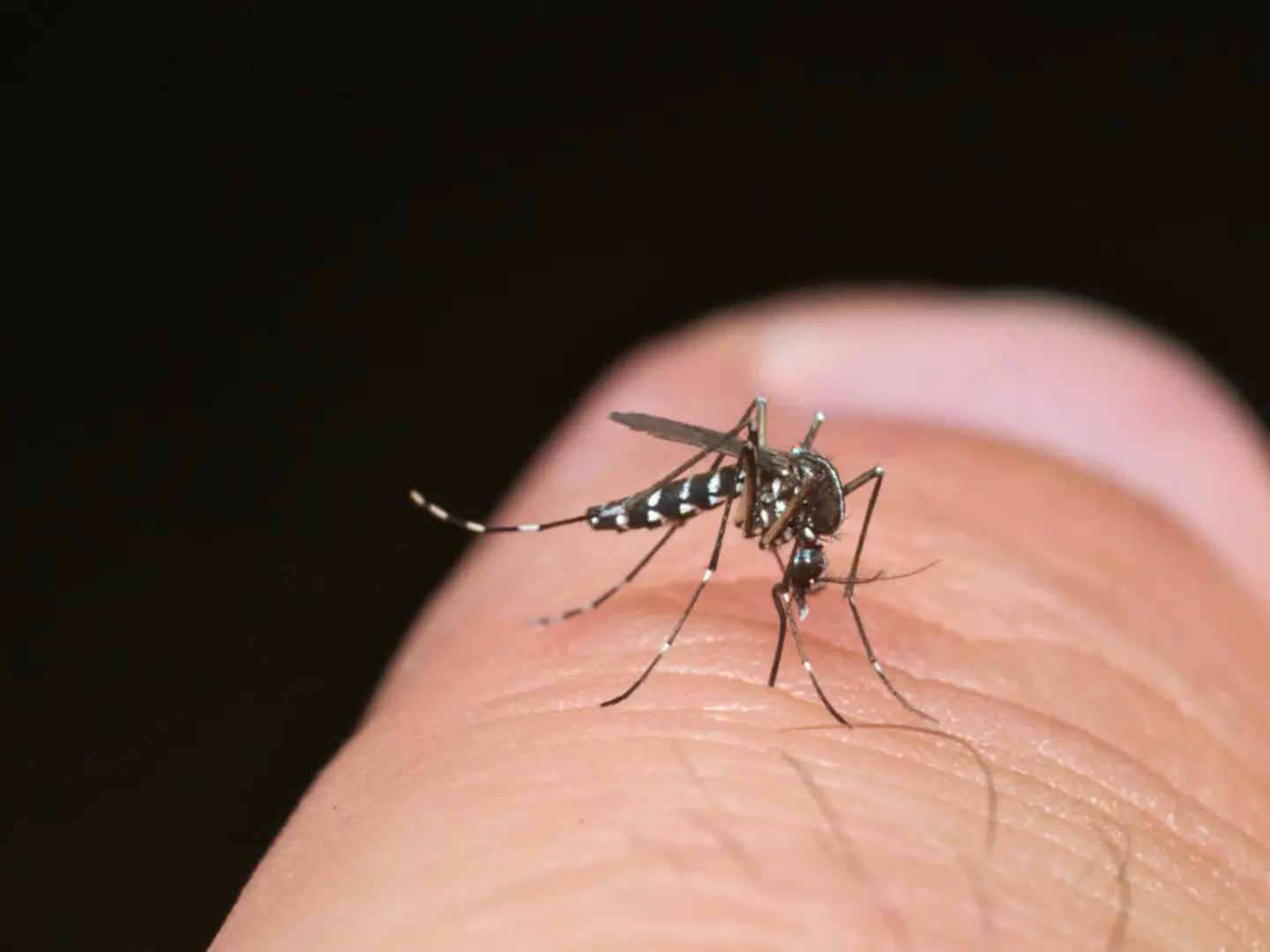
How Is Malaria Transferred?
Interestingly, only female mosquitoes bite humans. Male mosquitoes survive on nectar and plant sugars, while females require blood to reproduce.
When a female mosquito bites, it injects saliva into the skin to prevent blood clotting while feeding. If the mosquito is carrying malaria parasites, transmission can occur during this process. The itchy bump left behind after a bite is actually your body reacting to the mosquito’s saliva.
Although mosquitoes are small, they remain one of the deadliest creatures in the world due to the diseases they can spread.
One Bite Can Be Enough
During your Kruger safari tour, you’ll encounter incredible wildlife, breathtaking landscapes, and unforgettable safari experiences. While visitors often worry about lions, elephants, or buffalo, mosquitoes are statistically responsible for far more deaths globally because of malaria transmission.
This article is not meant to alarm you, but rather to help you travel informed and prepared.
Besides malaria, mosquitoes can also carry illnesses such as dengue fever, yellow fever, and encephalitis, although these are extremely uncommon in South Africa’s safari regions.

Interesting Facts About Mosquitoes
If you’re spending time in the African bush, you’re bound to encounter mosquitoes occasionally. Here are a few interesting facts about these tiny insects:
Over 3,500 Species Worldwide
Scientists have identified more than 3,500 mosquito species globally. Fortunately, not all mosquitoes bite humans. Many species feed only on nectar, while others prefer animals instead.
Slow and Low Flyers
Mosquitoes are surprisingly slow flyers. If you’ve ever tried swatting one after being bitten, you might have noticed they don’t move particularly fast. They also tend to fly lower to the ground and become even slower after feeding.
Longer Lifespan Than Most Insects
An adult mosquito can live for several weeks, and in ideal conditions, some females may survive for up to five or six months. For such a tiny insect, that is quite remarkable.

Malaria Risk in Kruger National Park
For many international travellers, malaria is one of the biggest concerns when planning a safari. Fortunately, the Kruger National Park is considered a low-risk malaria area, and thousands of visitors safely explore the park every year.
The higher-risk season generally runs from November to April, during the warmer and wetter summer months when mosquito activity increases.
Symptoms of malaria may take several days or even weeks to appear after being bitten. Common symptoms include:
- Fever
- Headaches
- Body aches
- Chills
- Extreme fatigue
Because symptoms can appear long after your safari has ended, it is important to seek medical advice if you feel unwell after travelling.
Before heading off on your Kruger safari package, consult your doctor about the most suitable malaria prevention options for your trip. With the right preparation, you can enjoy the beauty, wildlife, and adventure of the Kruger with complete peace of mind.
