


The history of the Kruger National Park began in 1898, when Paul Kruger, then President of the South African Republic, recognised the urgent need to protect Lowveld wildlife and the area between the Sabie and Crocodile Rivers was proclaimed the Sabie Game Reserve. James Stevenson-Hamilton, the reserve’s first warden, helped develop it into a functioning protected area. Today the park covers approximately 19,633 square kilometres.
The Kruger National Park is one of Africa’s most iconic wildlife destinations and one of the largest protected conservation areas in the world.
Stretching across nearly 20,000 square kilometres, the Kruger is internationally recognised for its incredible biodiversity, Big Five sightings, and unforgettable safari experiences. But beyond the wildlife and landscapes lies a fascinating history that shaped the park into the world-renowned destination it is today.
From early conservation efforts to pioneering wildlife protection, the history of the Kruger National Park is deeply connected to the preservation of South Africa’s natural heritage.
The Origins of Kruger National Park
The foundations of the Kruger National Park date back to 1898, when then-President of the South African Republic, Paul Kruger, recognised the urgent need to protect the wildlife of the Lowveld.
At the time, uncontrolled hunting and expanding settlement posed a serious threat to animal populations across the region. Conservation awareness was still limited, but Kruger understood that without protection, many species could disappear entirely.
As a result, the area between the Sabie and Crocodile Rivers was officially proclaimed as the Sabie Game Reserve in 1898. This reserve would later evolve into what is now known as the Kruger National Park.
Paul Kruger’s vision laid the foundation for one of the world’s greatest wildlife conservation success stories.
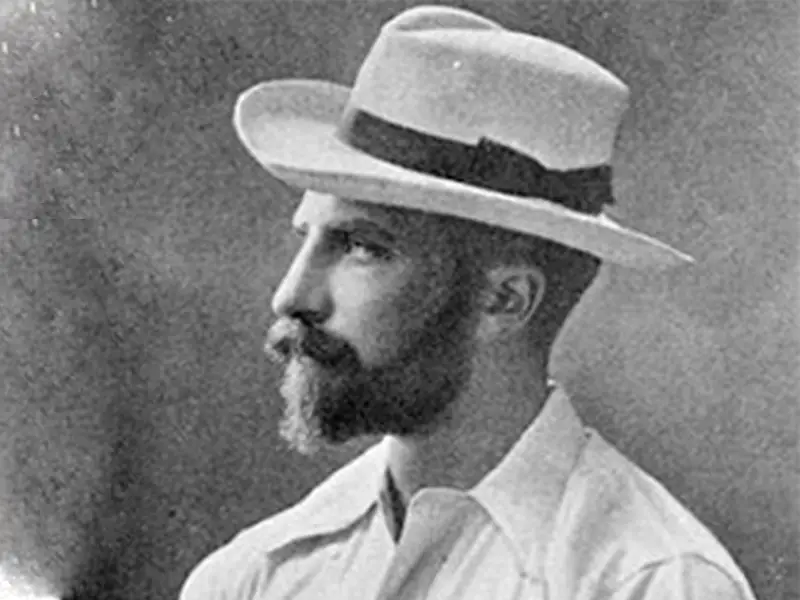
James Stevenson-Hamilton and the Development of the Park
One of the most important figures in the park’s history was James Stevenson-Hamilton, who became the first warden of the reserve.
Stevenson-Hamilton played a major role in developing and protecting the park during its early years. Through strict anti-poaching measures, wildlife management, and conservation planning, he helped transform the reserve into a functioning protected area.
His influence on the Kruger was so significant that many consider him one of the founding architects of modern conservation in South Africa.
Visitors interested in the park’s early history can still explore records and archives housed within the Stevenson-Hamilton Memorial Library in Skukuza.
The Formation of Kruger National Park
In 1926, the National Parks Act officially established South Africa’s national park system, and shortly afterwards, the Sabie Game Reserve and Shingwedzi Game Reserve were merged to form the Kruger National Park.
The first three tourist cars entered the park in 1927. Over time, tourism grew, and the park began developing accommodation and visitor facilities.
Simple rondavels and rest camps were gradually constructed to accommodate travellers exploring the region on early Kruger safaris.
As infrastructure improved, roads, camps, and viewing areas expanded throughout the park, helping establish the Kruger as one of Africa’s leading safari destinations.
The Sabie Game Reserve During World War I
During the First World War, Stevenson-Hamilton left the reserve from 1914 to 1920 to assist with the war effort. During his absence, sections of the reserve reportedly fell into neglect, and conservation management weakened.
When he returned, Stevenson-Hamilton found many facilities and conservation efforts in poor condition. Determined to restore the park, he dedicated years to rebuilding and improving the reserve once again.
His commitment helped preserve the Kruger during a critical period in its development.
The Kruger National Park Today
Today, the Kruger National Park covers approximately 19,633 square kilometres and protects an extraordinary range of ecosystems, landscapes, and wildlife species.
The park is home to:
- Over 500 bird species
- Nearly 150 mammal species
- Thousands of plant species
- Numerous reptile, amphibian, and fish species
The Kruger also protects important archaeological and cultural heritage sites, including ancient San rock art sites and historical settlements throughout the region.
Long before European settlers arrived, the area was inhabited by San communities and later by Nguni-speaking peoples who moved through the region over centuries.
These cultural histories remain an important part of the Kruger’s identity today.
Experience the History of Kruger National Park
A visit to the Kruger National Park is about far more than wildlife sightings. The park tells the story of conservation, exploration, cultural heritage, and South Africa’s ongoing commitment to protecting its natural landscapes.
Whether you are interested in history, wildlife, photography, or adventure, a Kruger safari package offers an unforgettable experience in one of the world’s most celebrated conservation areas.
Explore our Kruger safari tours and discover the incredible wildlife, landscapes, and history of South Africa’s most iconic national park.
Frequently Asked Questions
When was Kruger National Park established?
The park’s foundations date back to 1898, when the Sabie Game Reserve was proclaimed. The National Parks Act of 1926 then established South Africa’s national park system, and shortly afterwards the Sabie and Shingwedzi Game Reserves were merged to form the Kruger National Park.
Why was Kruger National Park created?
To protect the Lowveld’s wildlife. Uncontrolled hunting and expanding settlement were seriously threatening animal populations across the region, and Paul Kruger understood that without protection many species could disappear entirely.
Who was James Stevenson-Hamilton?
James Stevenson-Hamilton was the first warden of the reserve that became the Kruger National Park. Through strict anti-poaching measures, wildlife management and conservation planning, he helped turn it into a functioning protected area. Records and archives on the park’s early history are housed in the Stevenson-Hamilton Memorial Library in Skukuza.
Who lived in the Kruger area before it became a park?
Long before European settlers arrived, the area was inhabited by San communities and later by Nguni-speaking peoples. The Kruger National Park still protects archaeological and cultural heritage sites, including ancient San rock art sites and historical settlements.
How many species live in Kruger National Park?
The Kruger National Park is home to over 500 bird species, nearly 150 mammal species, thousands of plant species and numerous reptile, amphibian and fish species.
Add Kurt Safari as a preferred source on Google (opens in a new tab)
